Why Steroid Injections Give Me Pause
Why Steroid Injections Give Me Pause
By Dr. Adina Verrett, PT, DPT
Two treatments that disturbed me early in my career were spinal decompression surgeries and cortisone injections.
The decompression surgery removes a part of the bone on a vertebrae (the bones that make up the spine from the neck to the low back). This is done to relieve the pressure on a nerve that is creating pain down in the arm or leg.
This bothered me because it’s like removing a pier on a bridge. I’m in California right now and have to head down to the Bay Area for business. If someone told me that they were going to remove a pier under the Bay Bridge because it’s causing a problem with the bridge’s integrity, do you think I’d be looking for an alternative way? No matter how often this happens in allopathic medicine, the act of removing any of the original parts in your body comes with significant consequences or losses.
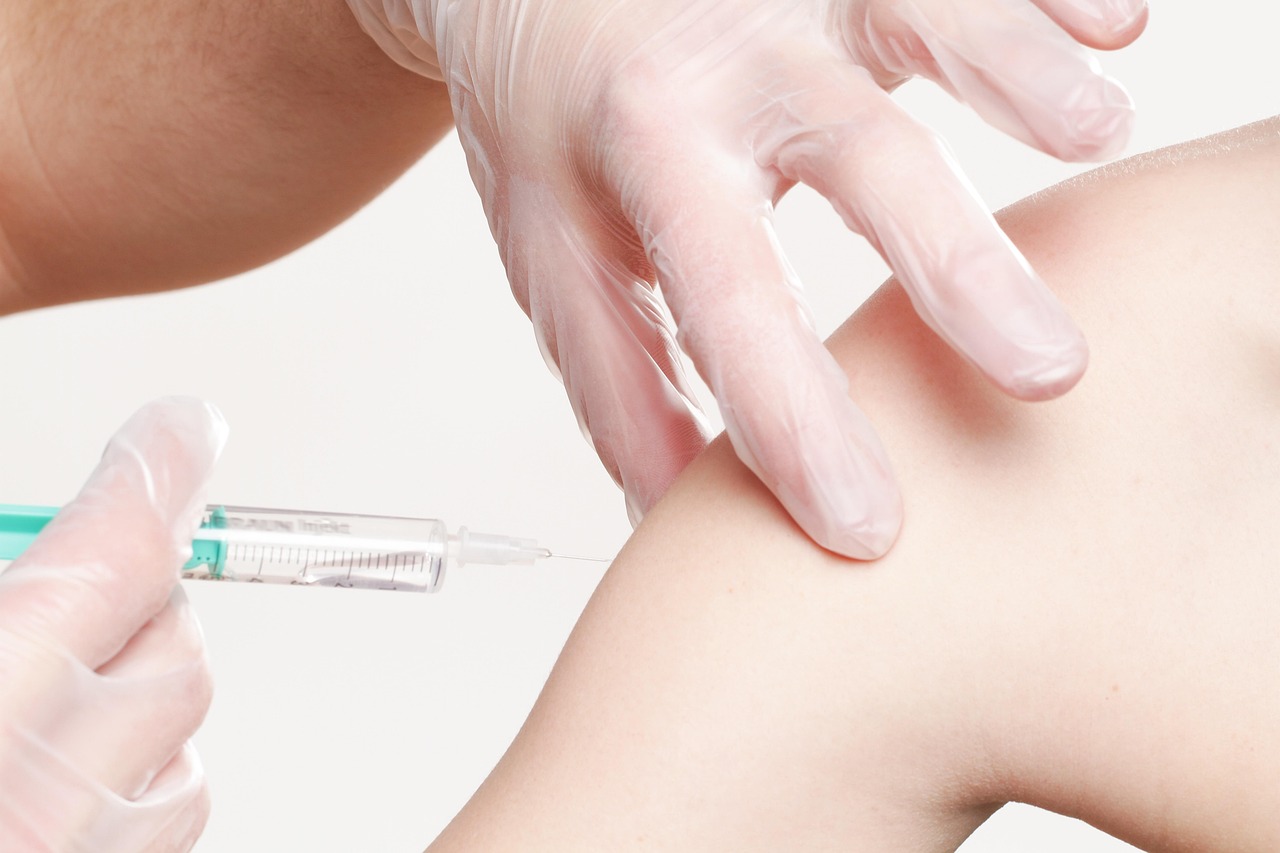
I will leave that topic alone for now and speak about my other angst-cortisone injections. One of my encounters with steroids was very personal. The others have involved patients who had congenital (from birth) hip problems that were treated with steroids and before they were 21 years old, ended up with a hip replacement-my youngest to date. Other patients were “treating” their joint problem with steroid injections for years-and now I am seeing them for a joint replacement.
These injections are touted as the go-to quick fix, but I can count on my hands the number of people that have received lasting relief from this injection. Yes, there are some patients who do get relief and they go along their merry way but most of them have pain that returns in less than two months. They must wait at least 6 weeks before another shot, but that timeline cannot be used because doctors will not offer them the injection more than 3-4 times a year.
Have you ever asked why?
Because they are concerned that repetitive shots may lead to deterioration of the cartilage. Did you catch that?What have I observed? The side effects of these will- not may- but will lead to deterioration of the joint tissue.
A professor of radiology and medicine at Boston University School of Medicine and a lead researcher ofa study on cortisone, Ali Guermazi, M.D., Ph.D.,found that “corticosteroid injections may be associated with complications that potentially accelerate the destruction of the joint and may hasten the need for total hip and knee replacements.
So, what is my suggestion? Follow best practices that will help to nourish and rebuild your joints and not tear them down. Joints require certain minerals and vitamins to be healthy. You are likely familiar with glucosamine, but there are other materials needed for healthy joint tissue. Silica helps to keep the joints lubricated and is found in food like cucumber, celery, asparagus, oats, millet, barley, sweet potatoes, leafy greens, beans, leeks, and strawberries.
Vitamin C is needed to rebuild tissues. That’s why women’s skincare products contain this vitamin. The cartilage requires the same. This is found in your oranges, lemons, tangerines, and grapefruit. Other sources are red bell peppers and tomatoes, (although these are nightshades and could create joint pain for some), cruciferous vegetables (broccoli, cauliflower, Brussel sprouts, cabbage), and strawberries.
So, make sure you start eating these types of foods. There are other things, but like any construction project, you need quality materials first to have a solid and sound structure.
My encouragement to you is to keep all your original parts in as good a condition as possible. This starts with good nutrition.
Stay tuned and you will continue to learn how to help your tissues and about the products I recommend to assist with this process.
To your health.
NOTE: Want the link to the article cited above? Read article here.
Adina Verrett, PT
Owner RESTORED Health Solutions & Restauré Botanicals